
Most AI shopping agents you can use today just research and compare products for you. Only a few can actually buy something. And every one of those stops to ask you first, before it spends a cent.
Hand one a budget. Tell it to buy anything, anywhere, with no check-in. It won't. That fully hands-off agent doesn't exist for shoppers yet.
It's the frontier. What's holding it back? Which stores play along. How payments stay safe. How returns work. And how fast live prices and stock go out of date.
So pick a tool by two things: how much freedom you actually need, and the stores you already shop at. Then check what the agent shows you (seller, price, return policy) before you approve anything.
What AI shopping agents are: and what they aren't
An AI shopping agent is a helper built on a large language model (the AI tech behind tools like ChatGPT). You give it a shopping goal in plain words. It researches products from many sources. It weighs them on price, reviews, and specs. At higher levels, it also adds items to a cart and checks out for you.
Say "find a lightweight backpacking tent, waterproof, under $200." It narrows the field the way a person would. It doesn't just match keywords.
What is an AI shopping agent? It's software that understands what you mean. It thinks across many product sources. And it can act for you: from recommending products to, in some cases, buying them.
That mix of thinking and acting sets it apart from lookalikes. A price-comparison site lists cheaper sellers. But it can't read tricky requests or take action. A plain chatbot answers questions. But it doesn't pull live product data. A human personal shopper does the same job with real judgment and no tech limits.
Two tools get miscounted here: Shopify Sidekick and Shopify Magic. Both are built for store owners. They manage inventory, edit storefronts, and run campaigns. They do not shop for you, so don't expect them to.
Three levels of autonomy
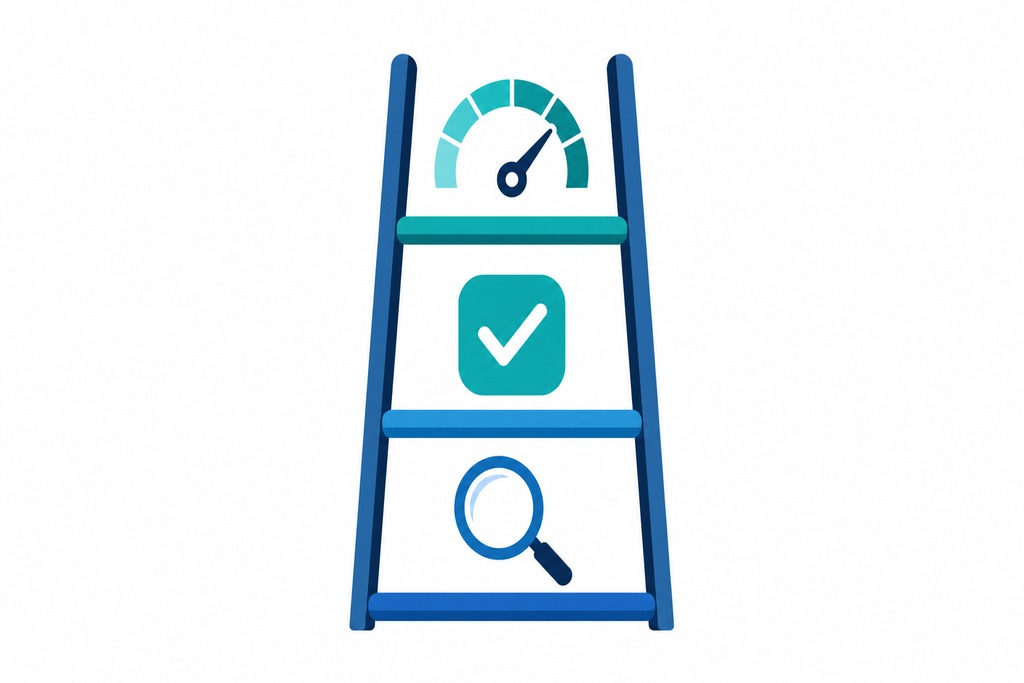
Think of it as a ladder with three rungs. Nearly every tool you can use today sits on the first two rungs. Knowing a tool's rung tells you what it can really do before you trust it.
| Level | What it does for you | How ready it is today |
|---|---|---|
| Research assistant | Turns your needs into a checklist, searches sources, sums up specs and reviews, and ranks the options | Widely available and proven |
| Transactional assistant (buys after you approve) | Checks live price and stock, adds to cart, applies discounts you qualify for, then checks out only once you confirm | Live but limited; several flows work in the US only |
| Autonomous buying agent (buys within limits you set) | Watches nonstop, waits for a target price or restock, reorders staples, and buys within a budget without asking each time | Emerging; held back by payment systems rolling out in 2025–2026 |
Here's the takeaway. Want an agent that spends money without ever checking in? That's rung three, and rung three is early. Most tools sold as "agentic shopping" today are really just research helpers or checkout-after-approval helpers.
Leading AI shopping agents compared
No single agent sees every store's best price. Each one works at a different freedom level, inside a different set of stores. Here's what the big players really do: and where they stop.
| Tool / platform | Best for | What it actually does | Autonomy level | Ecosystem / availability |
|---|---|---|---|---|
| ChatGPT (Shopping Research / Operator) | Spec-heavy cross-retailer research | Asks about your budget and preferences, researches across the web, and builds a custom buying guide; its Operator agent mode can navigate sites and finish tasks under your watch | Research → supervised checkout | Cross-web; agent actions limited by region |
| Google (AI Mode / Gemini) | Broad discovery and price monitoring | Chat-style search over a shopping graph of 45+ billion listings, plus price tracking and agentic checkout at eligible stores after you approve | Research + approved checkout | Checkout US-only |
| Amazon (Rufus, Alexa, "Buy for Me") | Shopping in and around Amazon | Answers product questions, uses your history for tips, and tracks prices; "Buy for Me" buys from outside brand sites using encrypted info | Research + approved checkout | Amazon ecosystem, US |
| Perplexity (Shopping, "Buy with Pro") | Fast, source-cited comparisons | Researches and sums up options; one-click "Buy with Pro" checkout with free shipping for Pro members | Research + one-click checkout | US |
| Walmart (Sparky) | Groceries and household goods | Searches products, blends reviews, plans occasions, and builds lists; growing into reordering and photo and voice input | Research → emerging checkout | Walmart, US |
| Klarna AI Assistant | Discovery plus customer service | Chat-based product finding across partner stores, filtering by size, color, and price, plus support help | Research / service | Klarna partner network |
| Instacart ("Ask Instacart") | Meal-driven grocery baskets | Turns prompts like "romantic dinner for two" into recipes and fills the cart for your approval | Research + approved checkout | Grocery, US |
| Microsoft Copilot | Price tracking while browsing | Shopping help and price-drop tracking inside Edge and Bing | Research | Broad, browser-based |
| Retailer-specific agents | Deep help in one catalog | Better inventory, delivery, and account accuracy: but a smaller product range | Research → in-store checkout | Single retailer |
| Shopify Sidekick / Magic | (Merchant tool, not a consumer buyer) | Helps store owners build and run shops; does not shop for you | , | Excluded from the buyer set |
Core capabilities to expect
A good agent should handle most of the shopping journey, not just the search box. Expect these features, though not every tool has them all:
- Conversational discovery: ask for many things at once in plain words, with no filters to fuss with
- Visual search: upload a photo of a jacket or chair to find exact or similar matches
- Price tracking and prediction: watch past prices, alert you to drops, and flag good times to buy
- Review synthesis: boil down thousands of reviews into common pros and complaints
- Automated checkout: finish a purchase after one confirmation from you
- Automated repurchasing: reorder supplies before you run out
- Post-purchase management: track orders, start returns, and file warranty claims
How they work under the hood
Behind the chat window, a shopping agent links several technologies together. A large language model reads what you want and keeps the conversation going.
But a model can make up prices or specs. To stop that, a method called retrieval-augmented generation pulls live product data, stock, and pricing from store databases and the open web. This grounds answers in real numbers instead of the model's guesses, which is the single biggest defense against made-up products.
Computer vision runs visual search. It matches your uploaded photo to catalog items.
For the buying half, APIs connect the agent straight to store, payment, and shipping systems. An API is a direct link that lets software talk to software. When a site has no API, which is common, robotic process automation steps in. It copies human clicks and keystrokes to move through pages and check out on the front end.
Reinforcement learning fine-tunes tips based on your feedback over time.
The self-driving navigation you hear about runs on agent frameworks like LangChain, AutoGPT, and browser-use. These let a model plan multi-step tasks and drive a browser on its own.
Want to build one instead of buying? Those frameworks, plus RAG and the payment toolkits below, are your starting blocks. Just know that a real, production-grade buying agent is a serious engineering project, not a weekend script.

The payment layer behind autonomous buying
Why is rung-three freedom arriving now, and not years ago? Because the payment plumbing to let software spend money safely is finally shipping.
An agent can't be trusted with your raw card number, so the industry is swapping it for limited, tokenized credentials. A token is a stand-in code that stands for your card without exposing it.
Visa Intelligent Commerce and Mastercard Agent Pay hand out agent-only tokens. These carry spending limits and can be shut off. PayPal, Stripe, and Coinbase have also released agentic-payment toolkits for developers.
On top of the money movement sit new standards that let an agent and a store actually make a deal. These include the Agentic Commerce Protocol from OpenAI and Stripe. They also include Google's Agent Payments Protocol (AP2) and its Universal Commerce Protocol (UCP). UCP is an open standard that links agents, stores, and payment systems across discovery, checkout, and support.
Google says it built UCP with Shopify, Etsy, Wayfair, Target, and Walmart. More than 20 other organizations back it too.
Until these catch on widely, "buy within my budget without asking" stays limited. That's exactly why today's checkout features still pause for your approval.
What you actually gain
The best case for these tools is time. Work that once ate a whole evening of open tabs shrinks into one request. Here are the real, proven benefits:
- Time saved: one prompt replaces dozens of searches and tabs
- Cost savings: coupon finding, price tracking, and price-drop alerts
- Better matching: plain language captures needs that filters miss
- Review synthesis: common strengths and complaints pulled from huge review counts
- Less decision fatigue: a short list instead of endless choices
- Nonstop monitoring: an agent watches price and stock after your first search
- Accessibility: chat-style tools make shopping easier for anyone who struggles with complex retail sites
Quick calculator
What will this AI agent call cost?
Use a realistic token count, not the length of your prompt alone. Agent steps, tool results, and retries all add up.
Plain English averages about 1.3 tokens per word. This fills the input field; code and non-English text can vary.
Prices last verified on . Rates are standard API list prices and exclude cached-token, batch, tool, storage, and tax charges. Check the provider before committing spend: pricing source.
Why can a small prompt still cost more than expected? Read “Why inference is the expensive part.”
One honest catch: convenience cuts both ways. Buys made through Walmart's Sparky ran roughly 35% larger baskets. Easy buying can push spending up as fast as it saves you money, so if you watch your budget, you often gain more by using an agent to research than to auto-buy.
Risks and how to handle each
Every real risk here has a clear fix. The goal isn't to avoid these tools. It's to use them with your eyes open.
| Risk | Why it matters | What to do about it |
|---|---|---|
| Wrong or outdated info | Prices, stock, shipping dates, and specs go stale; models sometimes make up products | Check price, seller, and stock on the store's own page before you order |
| Trust and security of spending power | Letting an agent pay raises fraud and login risk | Pick confirm-before-checkout tools; set clear spending limits |
| Data privacy | Agents want deep access to your history and payment data | Grant the least access you can; use tokenized or virtual cards, not raw card numbers |
| Bias and paid placements | "Neutral" tips may reflect paid slots or store deals | Treat results as advice, not gospel; ask the agent to flag sponsored items |
| Walled gardens and lock-in | Amazon and others block outside access, so no agent sees the whole market | Cross-check big buys against at least one independent source |
| Legal and blame gaps | Consumer law hasn't settled who's at fault when an agent buys wrong | Keep records; test with small buys before you trust it with big ones |
| Merchant disruption | Competition shifts from search ranking to being the AI's pick | For sellers: optimize to get recommended (AEO/AIO), not just to rank in search |

Using them safely: a checklist
Treat an agent's output as a strong first draft, not a signed contract. Follow these steps in order. You'll head off most of the problems above.
- Check before you buy. Confirm the price, seller, and return policy on the store's own page. Made-up and outdated details are real and documented, not just a worry.
- Ask for confirmation, and set limits. Use agents that need your OK before checkout. Cap what any auto-buying flow can spend.
- Ask about sponsorship. Have the agent tell you which results are paid placements or partner listings.
- Protect your payment data. Pick tokenized or virtual-card options over your raw card number, so the access stays limited and can be shut off.
- Start with research. Use a tool at the research level first. Give it buying power only after it earns your trust on smaller tasks.
Market impact by the numbers
The money and behavior shifts behind agentic commerce are big and measurable. These numbers show how fast the space is moving.
| Metric | Figure | Source |
|---|---|---|
| AI-in-retail market size | $7.3B (2023) → $34.2B by 2028, about 35.7% average yearly growth (CAGR) | MarketsandMarkets |
| Conversion-rate lift from AI recommendations/search | 10–30% vs. static search | Retailer reporting |
| Baseline cart abandonment | ~70% | Industry benchmark |
| Klarna AI Assistant, first month | 2.3M conversations, work of ~700 full-time agents, issues resolved in under 2 minutes | Klarna |
| Walmart Sparky engagement | ~50% of app users interacted; ~35% larger basket size | Walmart (2026) |
| Google shopping graph | 45+ billion product listings | |
| Agentic-commerce transactions | ~$200B+ AI-involved by 2026; hundreds of billions AI-influenced by the late 2020s | Analyst projections |
Where this is heading
The path runs from helpers toward truly self-driving agents. Picture telling one, "buy my weekly groceries under $100, and go organic when you can": and it finishes with no confirmation tap.
That future depends on two things: the payment standards above catching on widely, and stores opening their checkout to trusted agents. Both are underway but not finished, which is why this is still the direction of travel, not today's reality.
Two shifts follow. First, competition is moving from ranking high in search to being the product an AI assistant names out loud. Answer-engine and AI optimization are becoming what SEO used to be.
Second, the interface is going voice-first and everywhere. It's spreading across smart speakers, glasses, and wearables, so a purchase can start from a spoken sentence.
For now, the smart move is simple. Use these agents for what they do well — research, comparison, and monitoring. And keep a hand on the checkout button.

Who should NOT use an AI shopping agent
Skip auto-buying, and lean on your own judgment, if any of these sound like you. An agent is the wrong tool when its convenience fights your real goal.
- You watch your budget and tend to overspend. Agent-driven baskets run larger. If easy buying tempts you, let the agent research and check out yourself.
- You need the guaranteed lowest price everywhere. Walled gardens mean no single agent sees the whole market, so you'll still want to cross-check.
- You don't want to share payment and history data. Deep access is how these tools work. If that's a dealbreaker, stay at the research level.
- You're making a big or complex purchase. Costly, warranty-heavy, or very personal buys deserve a human check, not one-click trust.
- You expect fully hands-off buying today. A no-confirmation agent that spends freely doesn't exist for shoppers yet. Don't hand that power to a tool that can't safely hold it.
FAQ
Can AI shopping agents actually buy things for me?
Some can, but almost all stop to ask first. Tools like Perplexity's "Buy with Pro," Amazon's "Buy for Me," and Google's agentic checkout can finish a purchase — after you approve it. A fully self-driving agent that buys within a budget with no confirmation is still emerging and mostly US-only.
Are AI shopping agents free to use?
The research and comparison features are usually free inside apps like ChatGPT, Google AI Mode, Amazon Rufus, and Microsoft Copilot. Some checkout perks need a paid plan. For example, Perplexity's one-click "Buy with Pro" checkout and free shipping require a Pro plan.
Is Shopify Sidekick an AI shopping agent for consumers?
No. Shopify Sidekick and Shopify Magic are merchant tools. They help store owners build, run, and market their shops. They don't research or buy products for shoppers, so they don't belong in the consumer-agent group, even though they often get listed there.
Do AI shopping agents always find the lowest price?
No. Big stores like Amazon block outside access to their data and checkout, so no single agent can see every seller's best price. Tips can also be shaped by paid placements, so cross-check important buys against an independent source.
Are AI shopping agents safe to give my card to?
Only with the right protections. Pick tokenized or virtual-card options, like those from Visa Intelligent Commerce or Mastercard Agent Pay, over sharing your raw card number. And use agents that ask for confirmation and honor spending limits before any money moves.
References
- OpenAI — Shopping Research in ChatGPT
- Google — Agentic checkout and AI shopping tools; Universal Commerce Protocol
- Amazon — Generative and agentic AI shopping (Rufus, "Buy for Me")
- Walmart — "Meet Sparky" and 2026 J.P. Morgan Retail Roundup transcript
- Perplexity — Shopping and "Buy with Pro"
- Klarna — AI Assistant first-month performance
- MarketsandMarkets — Global AI in Retail market forecast
- Visa Intelligent Commerce; Mastercard Agent Pay; OpenAI + Stripe Agentic Commerce Protocol; Google Agent Payments Protocol (AP2)